Understand any stock in simple English
Enter a ticker to learn what the company does and how it makes money.
LIG Defense&Aerospace Co., Ltd.
LIG Defense & Aerospace makes missiles, torpedoes, radar, and other weapons systems for South Korea's military and for defense customers abroad.
LIG Defense & Aerospace, formerly LIG Nex1, is a South Korean defense company that builds the hardware a military needs to detect and hit things: guided missiles, torpedoes, radar, and radio systems. Its biggest customer is the South Korean government, especially the military, which relies on it for precision-guided weapons and surveillance equipment. It also sells abroad to other countries' armed forces.
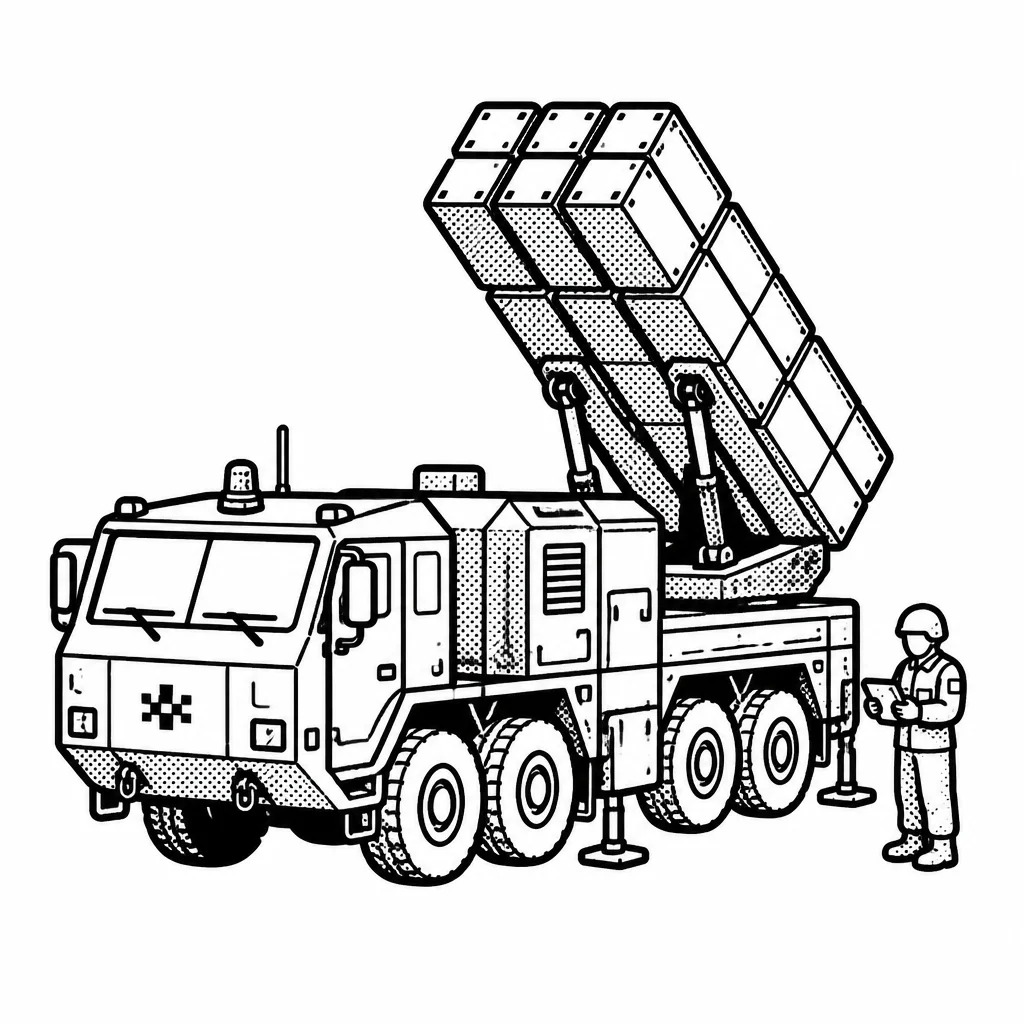
The business logic is simple. A country that wants to defend itself needs weapons it can trust, and it usually prefers to buy them from a domestic supplier rather than depend on a foreign one. LIG has spent decades building that trust in South Korea, which gives it a strong home-field advantage and a steady stream of government contracts. The company is perhaps best known for its precision-guided missiles, including air-to-ground and ship-launched weapons, and for the radar systems that help the military see what is coming. Defense is a lumpy business. A single big contract can swing a year's results, and governments buy in cycles driven by budgets and threats rather than by consumer demand. That makes revenue uneven, but it also makes it sticky: once a military adopts a weapons system, it tends to keep buying spares, upgrades, and support for decades. South Korea's rising defense spending and its push to export arms have been tailwinds for the company.
The company is not a household name, and it isn't trying to be. It sells to generals and procurement officials, not shoppers. Its edge comes from being a trusted domestic supplier with deep engineering know-how in missiles and sensors, and its main risk is that defense budgets and export deals can shift with politics. For a defense contractor, though, that is the normal weather.
Saved answer · last researched 12 Nov 2026