Understand any stock in simple English
Enter a ticker to learn what the company does and how it makes money.
China Tower Corporation Limited
China Tower builds and runs the giant network of telecom towers and small antennas that China's mobile phone signals travel through.
China Tower is the company behind the cell towers that carry mobile phone signals across China. When you make a call, send a text, or stream a video on your phone, there is a good chance the signal travels through one of its towers. The company builds these towers — big steel structures on rooftops, hillsides, and roadsides — and rents space on them to the three big state-owned telecom carriers: China Mobile, China Telecom, and China Unicom. Those carriers hang their antennas and equipment on the towers and pay China Tower a fee for the space and the electricity. Mobile operators would rather share towers than each build their own, because building a tower is expensive and the land, permits, and maintenance are a headache. China Tower does the heavy lifting so the carriers can focus on signing up customers.
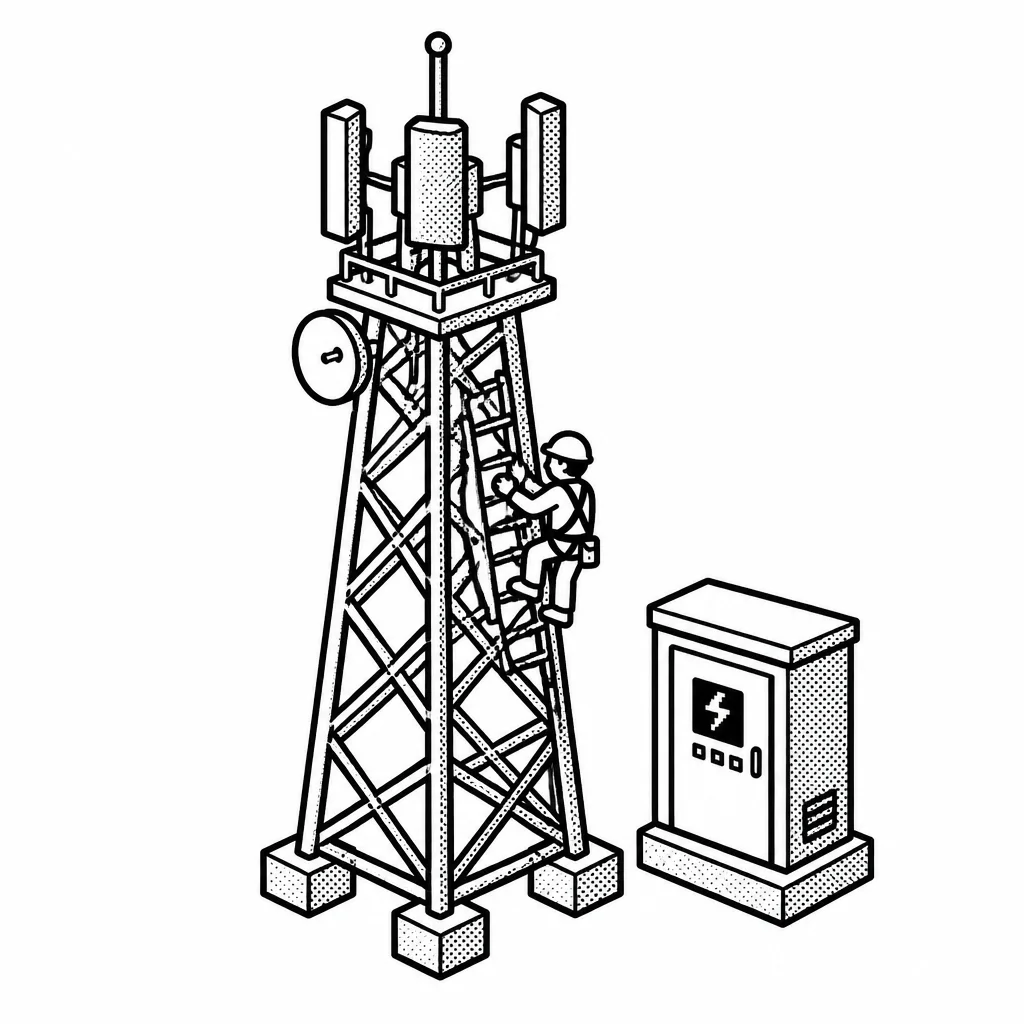
The business works like a landlord for antennas. A single tower can host equipment from multiple carriers at once, which spreads the cost and makes each tower more profitable. China Tower also runs a smaller but growing business installing indoor signal systems in malls, offices, and subway stations, plus a power-and-backup service that keeps backup batteries and generators running for other users. Most of its revenue comes from the tower rental fees, paid monthly by the carriers under long-term contracts, which makes the cash flow steady and predictable. There are real weaknesses. The three carriers are both China Tower's biggest customers and its biggest shareholders, which gives them enormous bargaining power over pricing. The company also carries a heavy debt load from building tens of thousands of towers over the years, and its growth depends on how much the carriers choose to spend on expanding and upgrading their networks. When China's carriers slow down their 5G buildout, China Tower feels it directly. The stock has been a modest dividend payer rather than a high-growth story, and the company has focused on squeezing more value from existing towers instead of rapid expansion.
Competition is limited because China Tower was created in 2014 by spinning off the tower assets of the three carriers into one shared company. That makes it close to a monopoly in tower infrastructure, but a monopoly with three powerful owners who set the terms. For investors, the appeal is the steady rental income and a dividend, not explosive growth. The company listed on the Hong Kong exchange in 2018 and remains majority-owned by the Chinese state and the three carriers, so its fortunes are tied closely to China's telecom policy and the health of its biggest customers.
Saved answer · last researched 12 Nov 2026