Understand any stock in simple English
Enter a ticker to learn what the company does and how it makes money.
Air China Limited
Air China flies passengers and cargo around China and the world, and sells related airline services.
Air China is China's flag carrier — the airline that flies the country's red-and-gold emblem around the world. It carries passengers on scheduled flights across a huge domestic network and to major cities on every continent, and it hauls cargo in the belly of those planes and on dedicated freighters. It also sells airline-related services, from maintenance to ground handling, and owns stakes in other carriers.
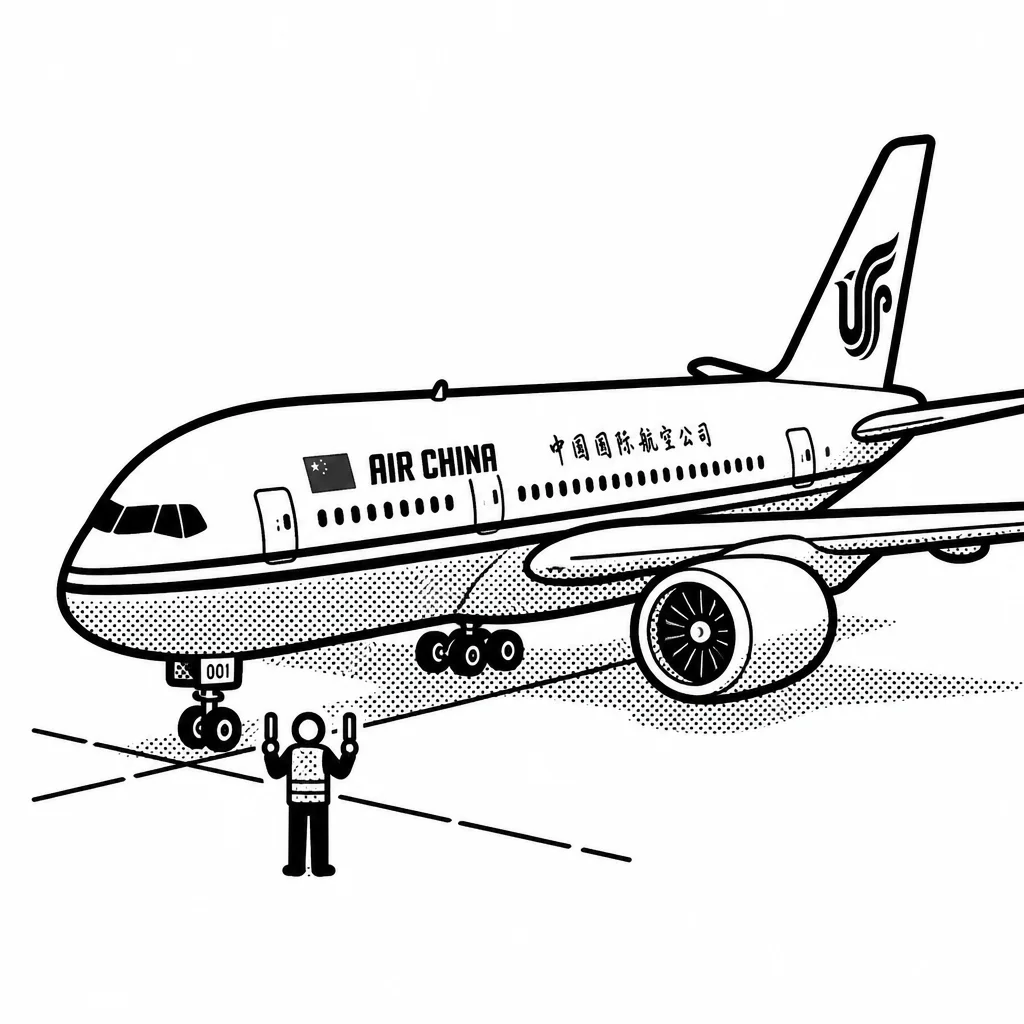
The way an airline makes money is simple to describe and brutal to run. It sells seats and cargo space, and its costs are dominated by fuel, planes, airports, and people. The gap between what customers pay and what it costs to fly them is thin, so small swings in fuel prices or demand can flip a profit into a loss. Air China's edge is its hub system, anchored at Beijing Capital International Airport and the newer Daxing airport, which funnels connecting traffic through one of the world's biggest aviation markets. As the national carrier, it gets prime landing slots and government-backed traffic that smaller rivals can't easily match. Its most important customers are ordinary travelers and businesses shipping goods, plus a fast-growing number of people flying between China and the rest of the world. Competition is fierce: domestic rivals like China Southern Airlines and China Eastern Airlines fight for the same passengers, and on international routes it battles global giants such as Delta Air Lines and United Airlines. The pandemic hit it hard, grounding most international flying, and the recovery has been uneven. It also owns a stake in Cathay Pacific and competes and cooperates with it in the crowded Hong Kong and regional market.
Airlines are capital-hungry businesses, and Air China spends heavily on new planes and fleet renewal to keep pace with demand and stay efficient. That spending leaves little room for big shareholder payouts compared with steadier industries, and the company's results swing with the travel cycle. The simple takeaway: Air China is a giant people-and-cargo mover whose fortunes rise and fall with how many people are willing to fly and how much fuel costs to get them there.
Saved answer · last researched 12 Nov 2026