Understand any stock in simple English
Enter a ticker to learn what the company does and how it makes money.
LG Electronics Inc.
LG makes and sells home appliances, televisions, and electronics worldwide, and it also supplies parts for cars.
LG is the company behind the washing machine in your laundry room, the TV in your living room, and the refrigerator in your kitchen. It is one of the world's biggest makers of consumer electronics and home appliances, selling everything from air conditioners to OLED televisions to robot vacuums, and it ships those products to homes and businesses around the globe.
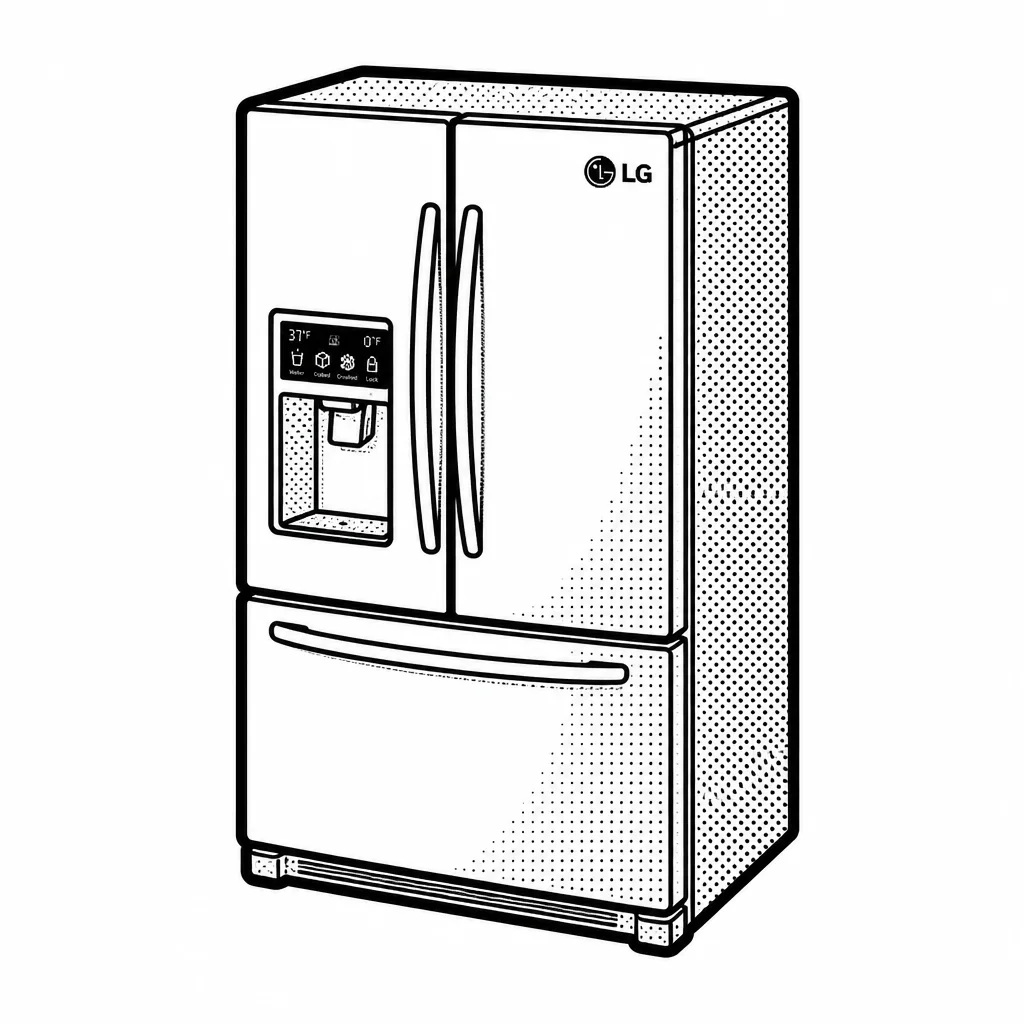
The business runs on a few big engines. The largest by revenue is home appliances and air solutions — refrigerators, washers, air conditioners, and the like — sold under the LG brand to ordinary households and to builders and businesses that need cooling and heating systems. The second engine is television and monitors, where LG has bet heavily on OLED screens, a premium display technology it pioneered and still leads. There is also a vehicle components business that supplies infotainment systems, cameras, and electric-car parts to automakers, plus a growing business making batteries for electric vehicles through a joint venture with General Motors. Tucked inside all of this is an unusual side hustle: LG is one of the world's major patent licensors, collecting royalties from companies that use its wireless technology, and those checks arrive with almost no cost attached. What makes LG interesting is that it sits in brutal, low-margin markets. Appliances and TVs are a grind — Chinese rivals like Haier and Hisense compete hard on price, and Samsung fights LG in nearly every category. LG's answer has been to push premium products, especially OLED TVs, and to move into the car-parts business, where contracts are long and sticky once an automaker designs your parts into a vehicle. The car segment has grown fast but has struggled to turn a consistent profit, which is a real vulnerability. LG's balance sheet is solid and it pays a dividend, though its shares have historically traded at a discount to global peers — a reminder that investors see a cyclical, competitive hardware maker rather than a high-margin franchise.
The company's history adds a twist. LG began life in 1958 as GoldStar, a Korean radios-and-fans maker, and became a sprawling conglomerate before splitting into separate groups; the electronics arm kept the LG name after merging with the LG Group's chemicals business in the 1990s. That history matters because LG still sits inside a wider family of affiliated companies, and it has spent years reshaping itself — exiting smartphones in 2021 after losing billions to stronger rivals, and redirecting that money and talent toward electric-vehicle parts and future businesses like robotics and smart-home software. The bet is simple: sell fewer commodity gadgets and more high-value parts and premium screens to customers who pay for quality rather than the lowest price.
Saved answer · last researched 12 Nov 2026