Understand any stock in simple English
Enter a ticker to learn what the company does and how it makes money.
Korea Aerospace Industries, Ltd.
Korea Aerospace Industries builds military aircraft, trainer jets, helicopters, satellites, drones, and civil aircraft parts for defense and commercial customers.
Korea Aerospace Industries is South Korea's homegrown aerospace champion. It builds the planes and flying machines a country needs to defend itself and train its pilots, and it makes parts that go into commercial jetliners too. If you've seen a South Korean fighter jet or a military trainer in the sky, there's a good chance KAI built it.
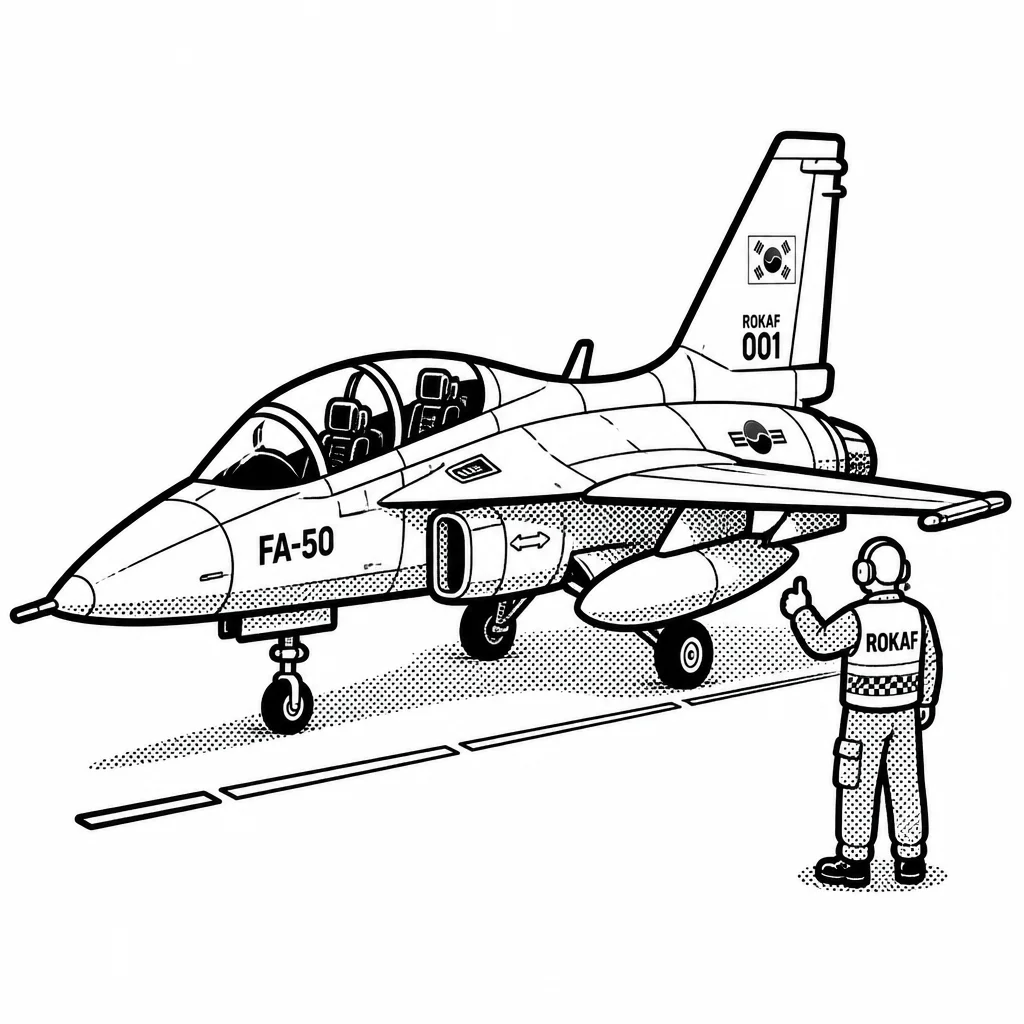
The company's biggest business is military aircraft. Its FA-50 is a light fighter and trainer jet that South Korea sells abroad, and it has become one of the country's best-known defense exports, with deals stretching from Europe to Southeast Asia. KAI also makes helicopters, including utility and attack models, and it assembles fighter jets under license. It doesn't just build the airframe — it handles design, testing, and the long tail of maintenance and upgrades that keeps fleets flying for decades. Beyond planes, KAI builds satellites and unmanned aerial vehicles, and it supplies aerostructures — wings, fuselages, and other major pieces — to civil aircraft makers including Boeing and Airbus. That civil work gives it a second leg to stand on when defense budgets wobble, though the military side remains the heart of the business.
The customer base is mostly governments. South Korea's own military is the anchor buyer, and foreign defense ministries pay for exports. These are enormous, slow-moving contracts — a single fighter jet order can take years to negotiate and deliver — so KAI's revenue tends to arrive in lumps rather than steady monthly drips. That makes the order book, and the political relationships behind it, the thing to watch. Competition comes from global giants like Lockheed Martin and BAE Systems, but KAI's edge is price, local manufacturing, and the willingness of governments to buy from a partner that shares technology and builds at home.
Saved answer · last researched 12 Nov 2026