Understand any stock in simple English
Enter a ticker to learn what the company does and how it makes money.
KT&G Corporation
KT&G makes and sells cigarettes, red ginseng products, and other goods like pharmaceuticals and cosmetics, mostly in South Korea and abroad.
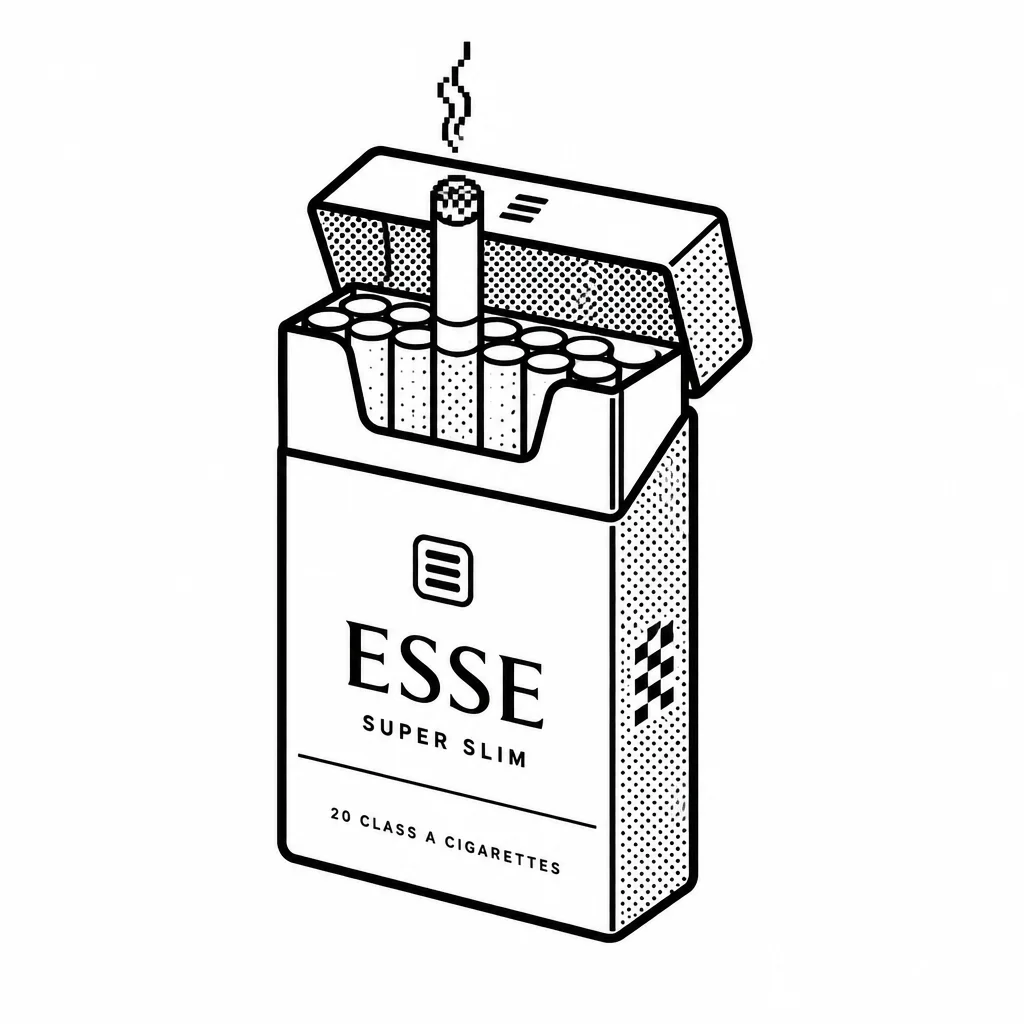
KT&G is South Korea's biggest tobacco company, and cigarettes are still the engine that powers the whole business. Its flagship brands, including Esse, are household names in Korea, and the company also sells cigarettes in overseas markets like Russia and the Middle East. For years this was a comfortable, cash-rich business: Koreans smoke less than they used to, but KT&G still controls the home market, so it kept pumping out money.
The company also owns a red ginseng business, selling health products made from Korean ginseng under the Cheong Kwan Jang brand. Koreans have long treated ginseng as a health tonic, and KT&G turned that tradition into packaged extracts, pills, and drinks sold at home and to export markets. Beyond that, it has smaller operations in pharmaceuticals, cosmetics, and real estate. The interesting part is what KT&G does with all that tobacco cash. It pays big dividends and buys back its own shares, which has turned it into a favorite of investors who want steady income. It has also pushed hard into overseas tobacco markets and into new products like heated tobacco sticks that compete with Philip Morris International and British American Tobacco in the growing smoke-free category.
There is a catch, though. Tobacco is a business under constant regulatory pressure, and KT&G's home market keeps shrinking as smoking declines. The ginseng business faces its own challenges, including slow overseas growth. So the company's future depends on squeezing more profit from overseas cigarettes, winning share in heated tobacco, and keeping investors happy with cash returns while its core market slowly fades.
Saved answer · last researched 12 Nov 2026