Understand any stock in simple English
Enter a ticker to learn what the company does and how it makes money.
Geely Automobile Holdings Limited
Geely designs, builds, and sells cars, SUVs, and electric vehicles to drivers around the world.
Geely is one of China's biggest carmakers, and it makes the kind of vehicles you see in everyday traffic: family sedans, roomy SUVs, and a growing lineup of electric cars. It sells them under brand names like Geely, Zeekr, and Lynk & Co, aimed at everyone from budget-conscious first-time buyers to tech-hungry buyers who want a premium electric car.
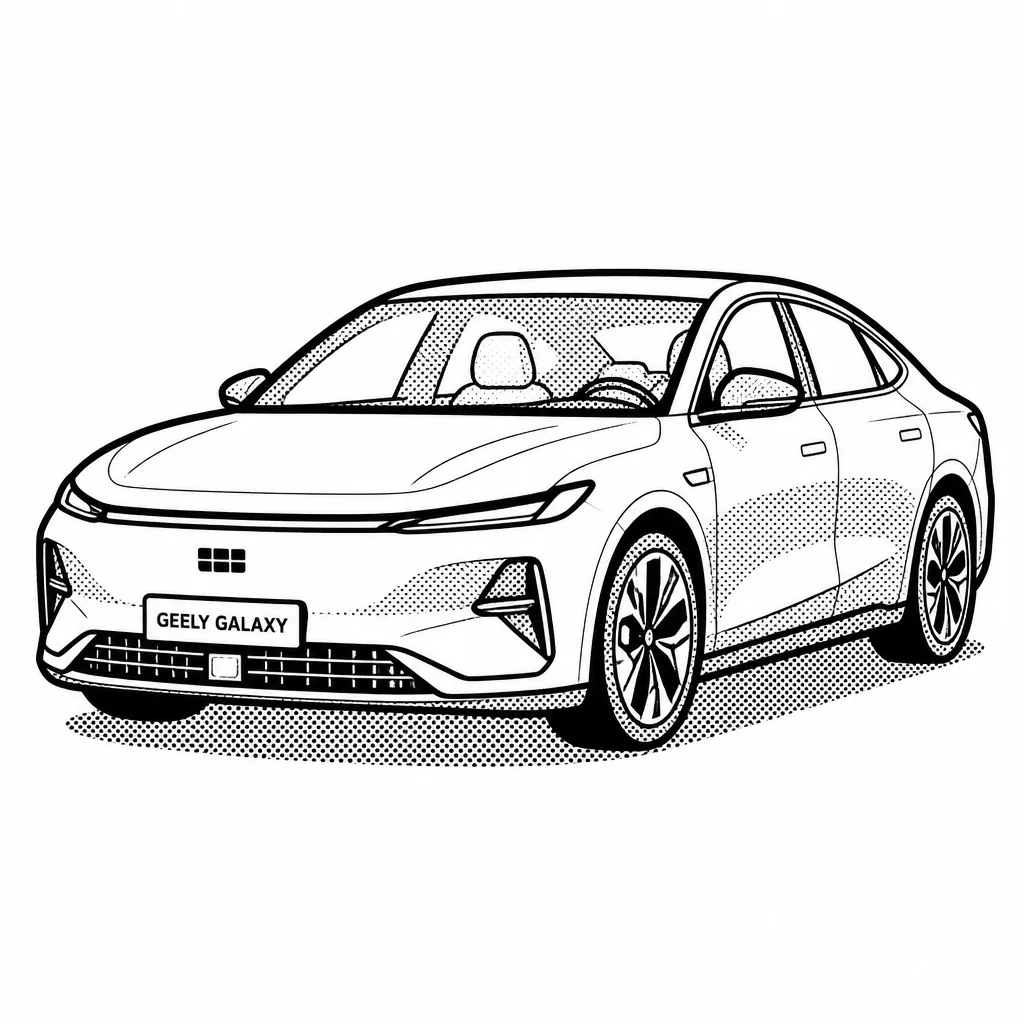
The way it makes money is simple: it builds cars in factories and sells them to dealers and, increasingly, straight to customers. Volume is everything in this business. A carmaker earns a thin profit on each vehicle, so it only thrives when it sells millions of them and spreads the enormous cost of designing, testing, and tooling up factories across that volume. Geely's edge comes from scale, sharp design, and a willingness to move fast on electrics and plug-in hybrids. It sells at home in China, where competition is brutal and price wars are common, and it also exports to markets across Europe, the Middle East, and Southeast Asia. Geely is part of a sprawling empire. Its parent, Zhejiang Geely Holding, owns or controls stakes in brands including Volvo Cars, Polestar, and Lotus, and it owns Proton of Malaysia outright. That gives Geely access to shared engineering and platforms, which cuts costs. The company is also one of the largest shareholders in Mercedes-Benz, holding a stake it built up in 2018 when it surprised the industry by quietly buying roughly a tenth of the German giant. Geely has deep roots in China's eastern Zhejiang province, and its founder Li Shufu started out making refrigerator parts before moving into motorcycles and then cars. The big story for Geely today is the electric shift. Its premium electric brand Zeekr has grown fast and went public in the United States in 2024, while Lynk & Co targets younger buyers with hybrid and electric models. Geely also licenses its car-building platform technology to other automakers, a quieter but attractive revenue stream that puts its engineering to work beyond its own showrooms. The company pays dividends and, like many Chinese automakers, faces real pressure from a domestic price war that erodes margins.
What makes Geely strong is that it has learned to build cars people actually want at prices that work, across several brands and price points, while leaning on partners for technology and scale. What makes it vulnerable is the same thing that haunts every carmaker: huge fixed costs, a brutal home market, and the risk that a new electric model fails to catch on while the money spent developing it is already gone. Cars are a hard, capital-hungry business, and Geely plays it with global ambitions.
Saved answer · last researched 12 Nov 2026
BIG PICTURE
BYD sells nearly twice as many new-energy cars in China as Geely, 22.4% of the market to 11.8%
- 22.4% BYD
- 11.8% Geely
- 65.8% Others
In China's market for new-energy cars, the battery-and-plug-in kind, BYD took 22.4% of sales while Geely took 11.8%, based on 250,301 BYD vehicles against 131,708 for Geely. Geely is the clear number two, but the gap to the leader is wide, and most of the money in its home market still sits with everyone else. Source: Notebookcheck, data from 2026
Timeline
A Refrigerator Parts Maker
Li Shufu started Geely in 1986 making parts for refrigerators. Soon he moved into motorcycle parts and then whole motorcycles, learning how to build machines and a business before he ever thought about cars.
From Motorcycles to Cars
In 1997 Geely jumped from motorcycles into car manufacturing, and Geely Auto Holdings was registered that October as the main car-making company. It was a bold step from small parts into a much bigger, harder industry.
First Private Car License
In 2001 Geely became the first private Chinese company certified to produce passenger cars. That license was the key that unlocked the mainstream auto market, and Geely grew fast once the door opened.
Listing in Hong Kong
Geely Auto listed on the Hong Kong Stock Exchange in 2005. Going public gave the company a public identity and a way to raise money for its next big moves.
Buying Volvo
In 2010 Geely acquired Volvo Car Corporation for about 1.8 billion dollars. The deal handed Geely safety, chassis and manufacturing technology, and it helped the company shed its low-end image — a small Chinese carmaker was suddenly running a famous European brand.
Proton and Lotus Stakes
In 2017 Geely bought a 49.9% stake in Malaysia's Proton and a 51% stake in Lotus. The deals pushed Geely's global footprint into Southeast Asia and into the sports-car segment.
The SUV Boom and Bust
Booming SUV sales sent Geely shares up more than tenfold from early 2016 to late 2017. Then China's auto market slowed and SUV demand cooled, and the stock fell more than half by mid-2020 — a reminder that fast growth can reverse just as fast.
Losing the Top Spot
In 2022 Geely lost its title as China's top homegrown brand to BYD as new-energy vehicles took off. Its many brands were fighting each other for resources, which hurt its competitiveness right when the market was shifting.
One Geely
In 2025 Geely launched the "One Geely" integration, merging Zeekr and Lynk & Co into Geely Auto. The company moved from a multi-brand "horse racing" model to focused consolidation, trading internal competition for efficiency.
A Founder Steps Back
In 2026 Li Shufu resigned as chairman and executive director, becoming lifetime honorary chairman, while An Conghui became chairman and Gan Jiayue became CEO. It marked a shift from founder-driven to professional management, though Li kept control of the parent company that holds over 40% of the listed business.