Understand any stock in simple English
Lotte Chemical Corporation
Lotte Chemical makes the basic building-block chemicals and plastics that factories around the world turn into everyday products.
Lotte Chemical is a South Korean chemical maker that produces the raw materials behind a huge range of everyday objects. Its core products are plastics like polyethylene and polypropylene, the stuff used to make everything from food packaging and plastic bottles to car parts and pipes. It also makes PET, the plastic that clear drink bottles and polyester fibers are made from, along with monomers and other basic chemicals that other manufacturers buy and process further.
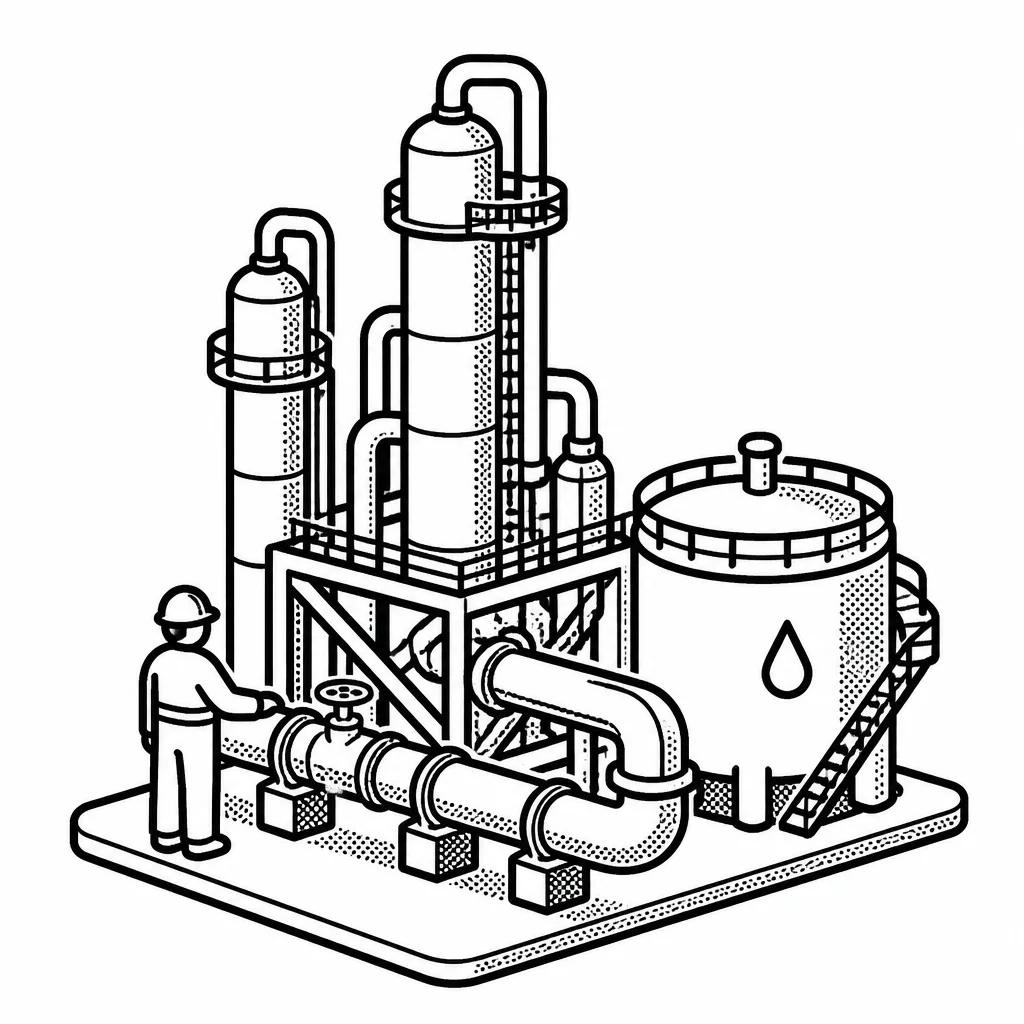
The business is essentially a bridge between oil and the things you buy. Lotte Chemical takes the chemicals that come out of refineries and turns them into standard pellets and powders. Its customers are industrial companies — packaging makers, automakers, textile producers — who buy in bulk and then shape these materials into finished goods. Nobody walks into a store and asks for a bag of polyethylene; but half the plastic in the store probably started that way. This is a brutal, cyclical industry, and Lotte Chemical is one of the big players in it. Rivals include sizable Asian and Middle Eastern producers that often enjoy cheaper raw materials, so the company's profits swing with the gap between what it pays for feedstock and what it can charge for plastic. In recent years, that gap has been squeezed badly. A global flood of new petrochemical capacity, especially from China, has pushed prices down and turned what used to be a fat margin business into a thin one. Lotte Chemical has posted losses in this downturn rather than profits, which tells you how tough the market is.
The company is part of the wider Lotte group, one of South Korea's big family-run conglomerates, and it is headquartered in Seoul. It keeps a broad portfolio that stretches beyond basic plastics into higher-value specialty materials and battery components, an attempt to earn steadier money than commodity chemicals allow. Like most chemical makers, it also spends heavily on its plants — these are giant, expensive facilities that take years to build and must run near full capacity to make economic sense. When demand is weak, that fixed cost base becomes a heavy load.
Saved answer · last researched 17 Nov 2026