Understand any stock in simple English
Enter a ticker to learn what the company does and how it makes money.
Hanwha Solutions Corporation
Hanwha Solutions makes chemicals, solar panels, and plastic products, and also runs real estate services, mostly in South Korea.
Hanwha Solutions is a South Korean industrial company with two very different engines under one roof. One side is a chemicals business that makes the raw materials that go into plastics, films, and other products people rarely see but use every day. The other side is a solar energy business that makes the components that turn sunlight into electricity. The company also has a smaller real estate services arm, which largely comes from its ownership stake in a large Seoul office and retail complex.
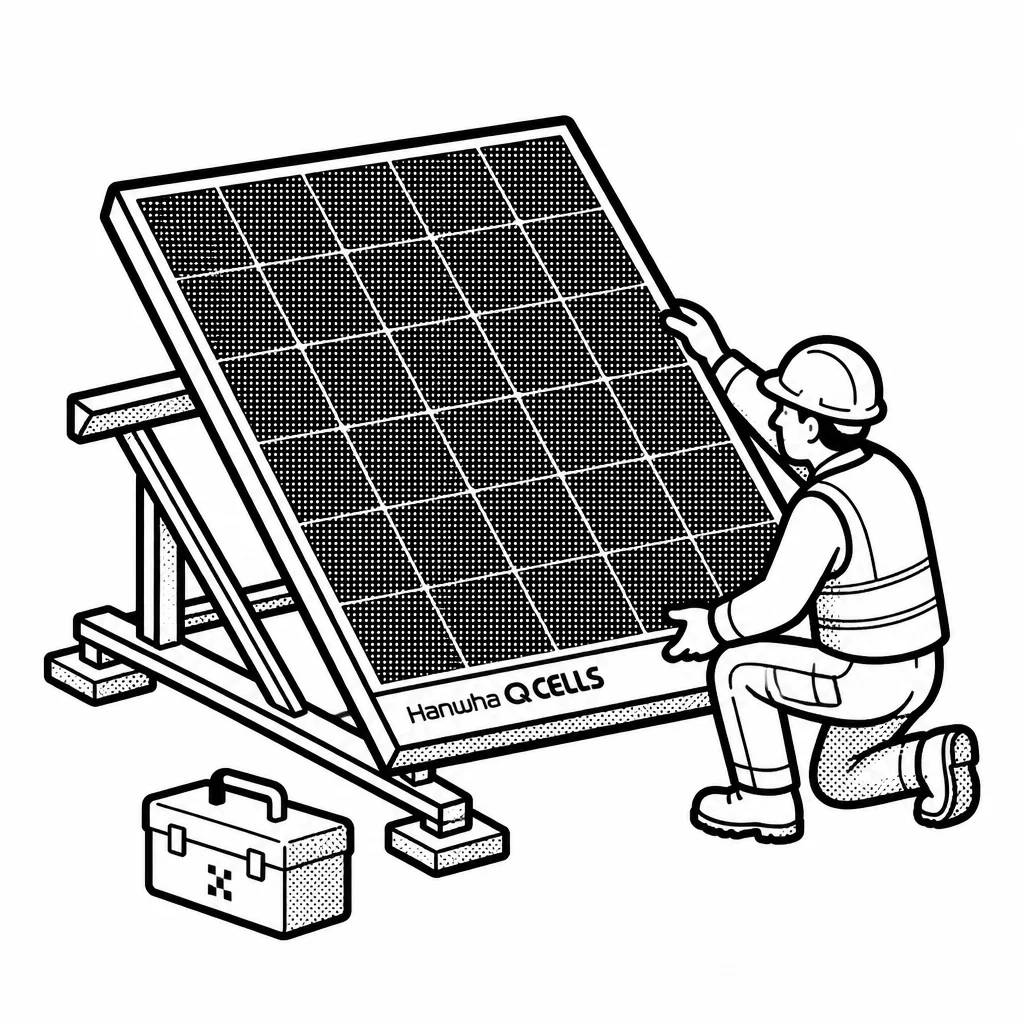
The chemicals side is the older, steadier business. It produces things like caustic soda and other basic industrial chemicals, plus plastic products such as PVC and specialty films. Customers are other manufacturers who need reliable, large-volume inputs, so this business rises and falls with the wider industrial economy. The solar side, run through its Qcells brand, makes solar panels and related components, and it is the part with the biggest growth ambitions. Hanwha Solutions expanded that business aggressively in the United States, building and running a large solar panel factory in Georgia to serve America's fast-growing demand for clean energy and to benefit from local manufacturing incentives. The company's history is a story of reinvention. It began life as Hanwha Chemical, a chemicals maker, and later renamed itself Hanwha Solutions as it pushed into solar and other newer areas. That pivot matters because the solar business is far more competitive and capital-hungry than making basic chemicals, and it puts the company in direct competition with much larger global panel makers. The chemicals business, meanwhile, faces its own pressure from cheap imports and swings in raw material prices, so both engines have real challenges.
The real estate stake is a quiet but valuable asset. Hanwha Solutions owns a significant piece of the company that runs a major Seoul complex, which throws off steady income and helps anchor the balance sheet. Like many industrial firms, the company uses its cash to fund factories, especially the solar buildout, pay dividends, and manage debt. The key question for investors is whether the solar bet pays off big enough to offset the slower, cyclical chemicals business, and that answer depends heavily on U.S. energy policy and global panel prices.
Saved answer · last researched 12 Nov 2026