Understand any stock in simple English
Enter a ticker to learn what the company does and how it makes money.
Samsung SDI Co., Ltd.
Samsung SDI makes lithium-ion batteries for electric cars, electronics, and energy storage, plus electronic materials for manufacturers.
Samsung SDI is a battery company. It makes the rechargeable lithium-ion batteries that power electric cars, smartphones and other gadgets, and big storage systems that hold electricity for power grids and buildings. It also runs a smaller materials business selling things like display films and semiconductors' raw ingredients to other manufacturers. Most of its money comes from selling batteries to other companies, not directly to you.
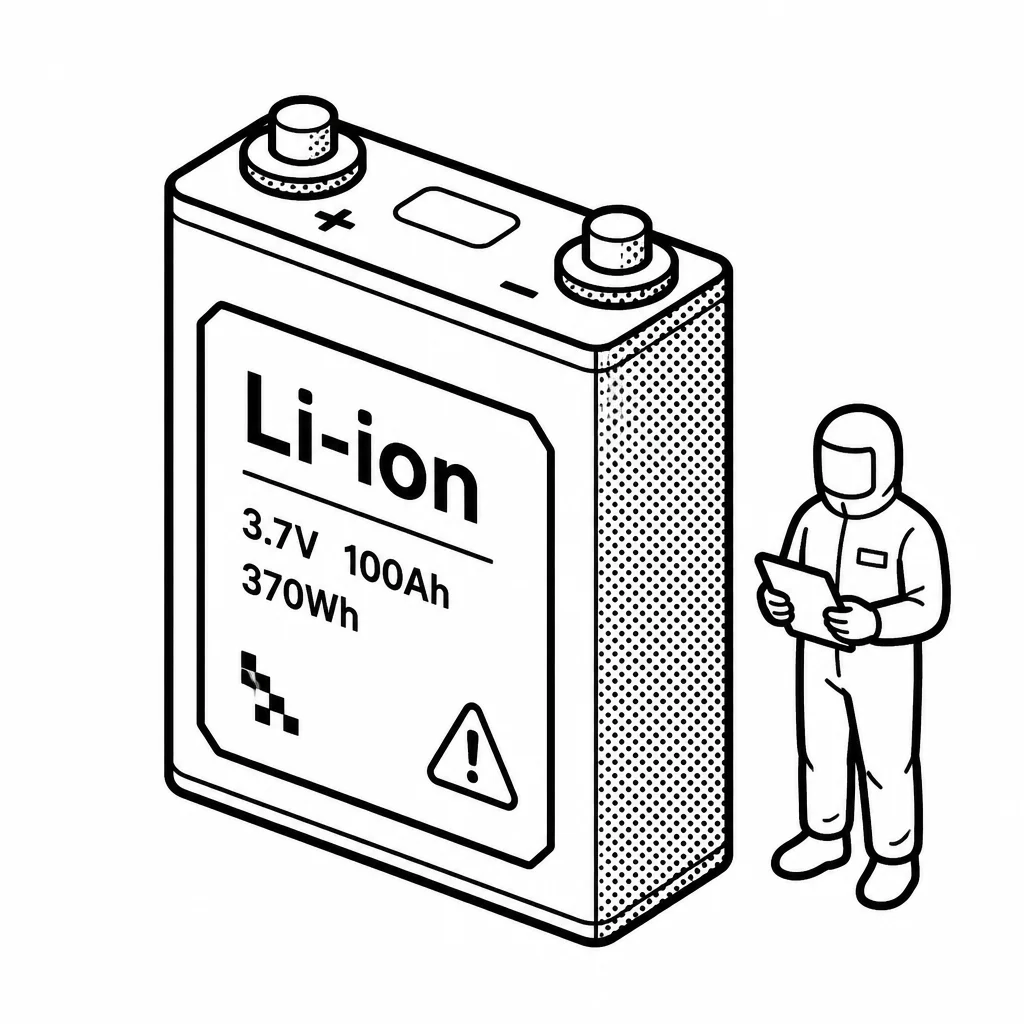
The biggest bet is electric-car batteries. Samsung SDI sells them to automakers like BMW and General Motors, and it has been building factories in Europe, the US, and Asia to make more. Car batteries are a tough, capital-hungry business: plants cost billions, contracts are long, and customers are few and powerful. The company also sells much smaller batteries for power tools and phones, plus the large "energy storage systems" that utilities and businesses use to bank electricity. Its edge is engineering and manufacturing know-how built over decades — it was making batteries back when most rivals were not. But it is not the biggest. CATL of China and LG Energy Solution dominate, and Chinese makers have driven prices down hard. Samsung SDI's materials business, meanwhile, gives it a steadier, higher-margin cushion than pure battery players, and it spends heavily on research into next-generation cells, including solid-state batteries.
The business is capital-intensive and cyclical, swinging with electric-car demand and battery prices. It has to keep spending on new plants and technology to stay relevant, and its profits can be squeezed when rivals dump cheap batteries on the market. That is the tension at the heart of Samsung SDI: a serious technology company in a brutal, fast-moving industry where scale and cost matter as much as cleverness.
Saved answer · last researched 12 Nov 2026