Understand any stock in simple English
Enter a ticker to learn what the company does and how it makes money.
Samsung Electronics Co., Ltd.
Samsung makes and sells the memory chips, phones, and displays that power modern electronics.
Samsung is the company that makes a big chunk of the parts inside the devices you use every day — and it also sells plenty of finished devices under its own name. If you own a smartphone, there's a decent chance a Samsung chip or screen is inside it, even if the phone isn't a Samsung. The company sits at the center of the global electronics supply chain.
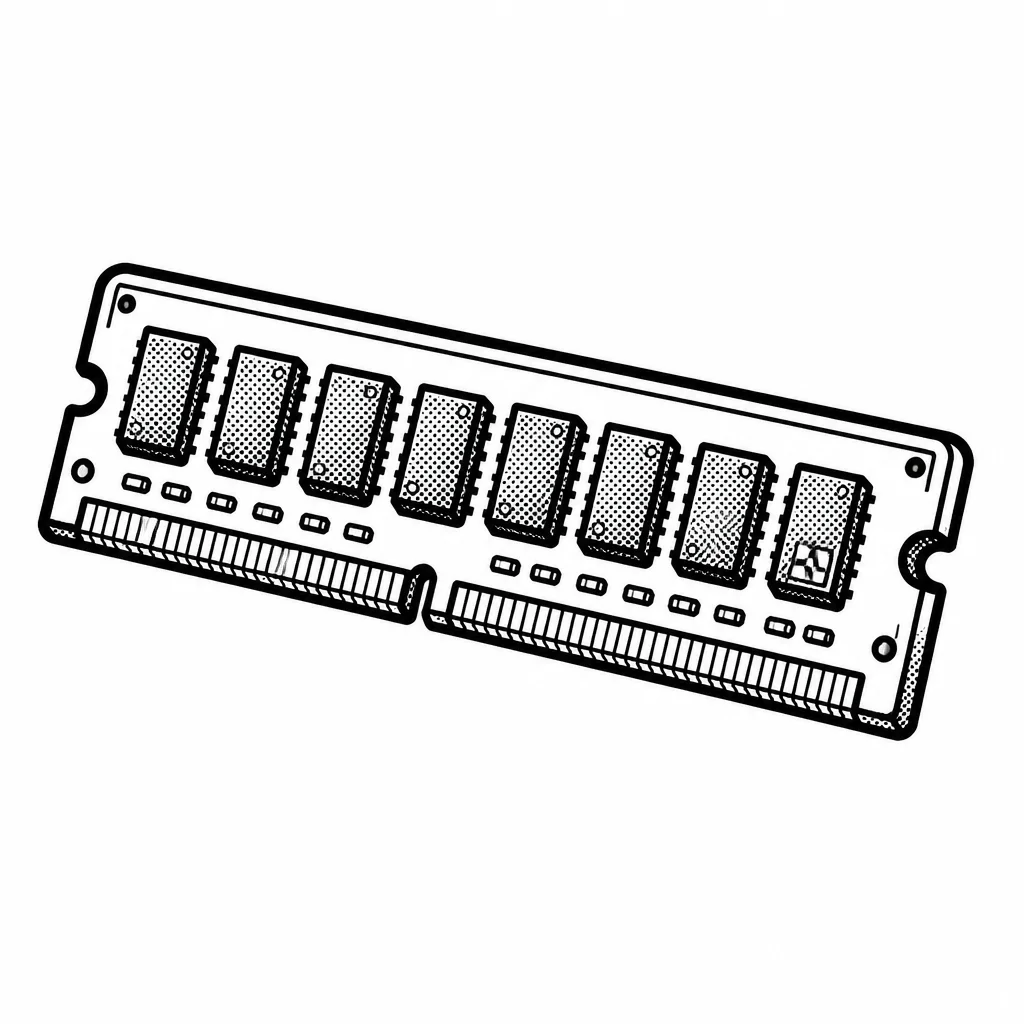
Its biggest money engine is memory chips: the DRAM and NAND flash that let computers and phones store and juggle data. Samsung is the world's largest maker of these chips, and it sells them to other companies — server builders, phone makers, laptop brands — rather than to you directly. When chip prices boom, Samsung prints money; when they crash, profits collapse. That swing is the single most important thing to understand about the business. The second big piece is phones and consumer gadgets. Samsung sells Galaxy smartphones, tablets, watches, and TVs, competing with Apple at the high end and with cheaper Chinese brands at the low end. It also makes display panels and does contract manufacturing for other chip designers. The phone business is stable but not wildly profitable; the chip business is where the real money is made. The awkward part: Samsung Electronics is part of a giant Korean conglomerate, and its ownership is tangled. Foreign investors often grumble that it trades at a discount because of complex cross-holdings and a history of family control. It also has to spend enormous sums building new chip factories — a bet that pays off hugely in good years and hurts badly in bad ones. And it faces tough competition from TSMC in contract chipmaking, where Samsung has spent heavily but still trails.
The company throws off mountains of cash and uses it to build more factories, pay dividends, and buy back shares. Its fortunes rise and fall with the chip cycle, which makes it a business you have to watch closely rather than set and forget. But when the cycle is strong, few companies on earth make more money.
Saved answer · last researched 9 Nov 2026
BIG PICTURE
Samsung makes 38 cents of every dollar the world spends on DRAM chips
- 38% Samsung
- 29% SK Hynix
- 21% Micron
- 9% CXMT
- 3% Others
In the third quarter of 2026, Samsung took 38% of global DRAM revenue, the memory chips that hold data while a computer runs. The next two players, SK Hynix and Micron, split 29% and 21%. Samsung sells phones and screens too, but this chip fight is where its profits concentrate, and the gap over its nearest rival is what keeps it on top. Source: Counterpoint Research Global Memory Tracker, data from 2026
Timeline
Lee Byung-chull Starts Samsung Electronics
Lee Byung-chull founded Samsung Electronics to make everyday home appliances like color TVs, refrigerators and washing machines. But the established rivals, led by Goldstar, fought hard to keep him out. The government let him in only if every product was exported, which stung for a newcomer. So Samsung started life as a company forced to sell abroad before it could sell at home.
Shares Go Public in Korea
The company listed its shares on the Korea Stock Exchange, letting ordinary investors own a piece of it.
Lee's Tokyo Declaration on Memory Chips
After years of study, Chairman Lee Byung-chull announced Samsung would build memory chips called DRAMs, betting the company's future on semiconductors. His own executives called it a near-impossible gamble and pushed back. The bet looked reckless at the time, but it planted the seed for the company's later dominance.
Renamed Samsung Electronics
The company adopted the name it still uses today, Samsung Electronics.
Semiconductor Unit Merges In
Samsung's chip and telecom arm merged with Samsung Electronics, and the company named three core businesses: home appliances, telecommunications and semiconductors. The small appliance maker now had its future engine inside the same house.
World's First 64M DRAM
Samsung built the world's first 64-megabit DRAM chip, which made it the number one player in the memory market. It has held that top spot ever since. Lee's gamble had paid off.
Buying Harman International
Samsung bought Harman International outright, its biggest deal ever, moving into car electronics and audio. It was a bold step beyond phones and chips.
A 50-to-1 Stock Split
Samsung split its shares fifty-to-one, the only split in its fifty-year history, so ordinary people could more easily afford to buy them.
First Dedicated M&A Team
Samsung set up a dedicated team for buying other companies, led by Ahn Joong-hyun, the man behind the Harman deal. After years of not buying much, it went shopping again, picking up FläktGroup, Xealth and Sound United to climb back to the front of the technology race.
Over 200 Trillion Won in Cash
Samsung became the first South Korean company to hold more than 200 trillion won in cash and short-term assets, roughly double what it had a year earlier. Surging demand for AI chips sent its quarterly profit soaring several times over. With that pile, it planned record investment in factories and research, plus huge returns for shareholders.