Understand any stock in simple English
Enter a ticker to learn what the company does and how it makes money.
CGN Power Co., Ltd.
CGN Power builds and runs nuclear power plants in China and sells the electricity they generate.
CGN Power is one of China's biggest nuclear electricity producers. It builds and operates large nuclear power stations, and then sells the power they generate to the grid — which means homes, factories, and cities across China are the people who ultimately use its product. Unlike a coal plant that can be switched on and off cheaply, a nuclear plant is a huge, expensive machine that runs best when it hums along steadily for decades, churning out electricity day and night.
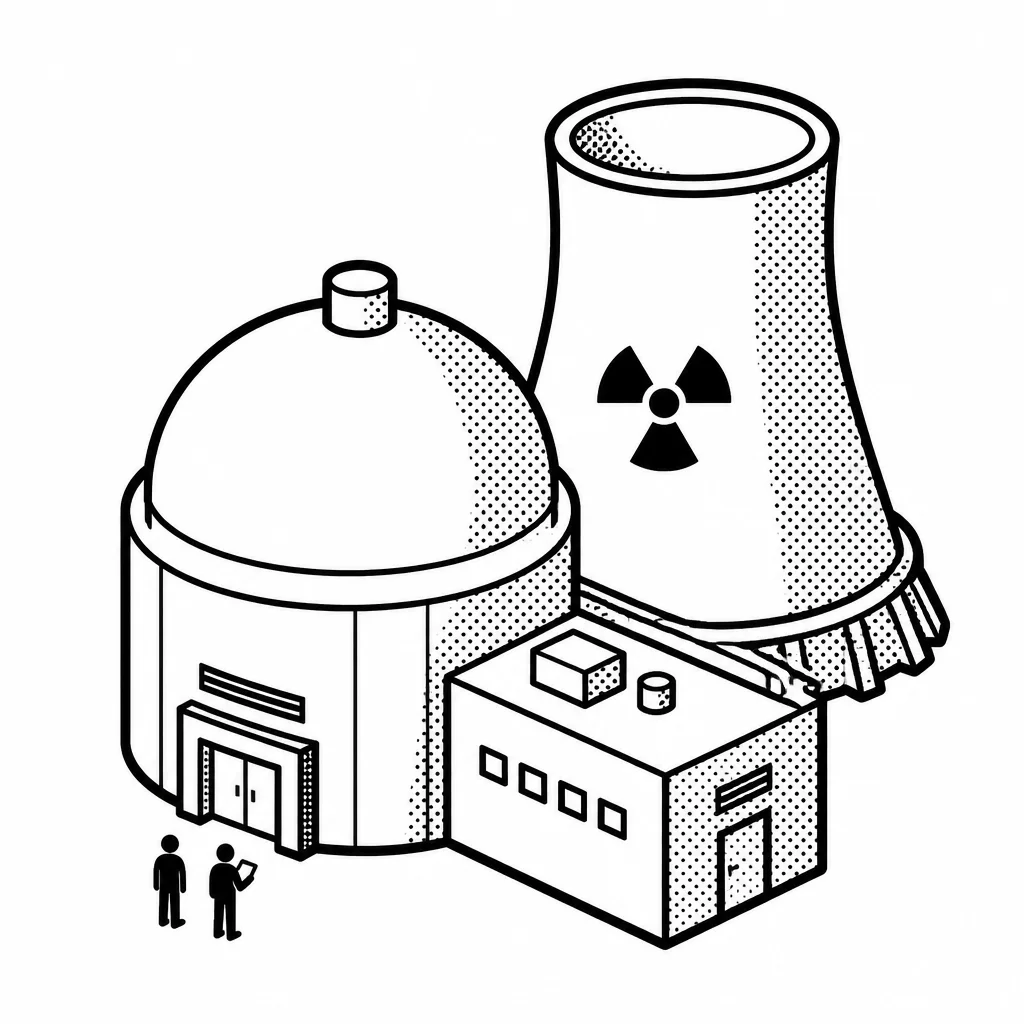
Here is the basic problem the company solves, from first principles. China needs enormous amounts of electricity, but it also wants to burn less coal to clean up its air and hit its climate goals. Nuclear power solves both: one plant can power millions of homes without releasing smoke, and it doesn't depend on the weather the way solar and wind do. The catch is that nuclear plants are wildly expensive to build, take years to finish, and face intense safety scrutiny. So the companies that can master the engineering and licensing are few. That keeps the club small — CGN Power's main rival is China National Nuclear Power, and the pair effectively split the country's nuclear market. The way the money works is simple and steady: once a reactor is running, it sells electricity at regulated prices and collects a river of cash through the decades-long life of the plant. That stable cash flow is why the company can pay meaningful dividends — recent annual payouts have totaled tens of billions of yuan — while still funding new construction. The risks are just as clear. A plant that runs late or over budget soaks up capital for years, and any safety incident anywhere in the world tends to make regulators and the public more nervous, slowing approvals. Nuclear power also competes with cheap coal and, increasingly, with fast-growing solar and wind.
What makes the company interesting right now is scale. China is in the middle of the world's biggest nuclear building boom, and CGN Power is one of the main players, moving ahead with its own next-generation "Hualong One" reactors. It also has an unusual lineage: it traces back to China Guangdong Nuclear Power, the state-backed group created to build the Daya Bay plant near Hong Kong, which began operating in the 1990s with help from foreign partners. Today it is a state-controlled company, which gives it access to cheap funding and government backing — but also means it answers to Beijing's energy plans as much as to its own shareholders.
Saved answer · last researched 12 Nov 2026