Understand any stock in simple English
Enter a ticker to learn what the company does and how it makes money.
NAURA Technology Group Co., Ltd.
NAURA makes the machines that chip and solar-panel factories use to build their products.
NAURA is a Chinese maker of the big, expensive machines that turn silicon wafers into computer chips and turn wafers into solar panels. Chip factories need dozens of these tools — machines that etch patterns, lay down thin films, and scrub wafers clean — and NAURA sells several of them.
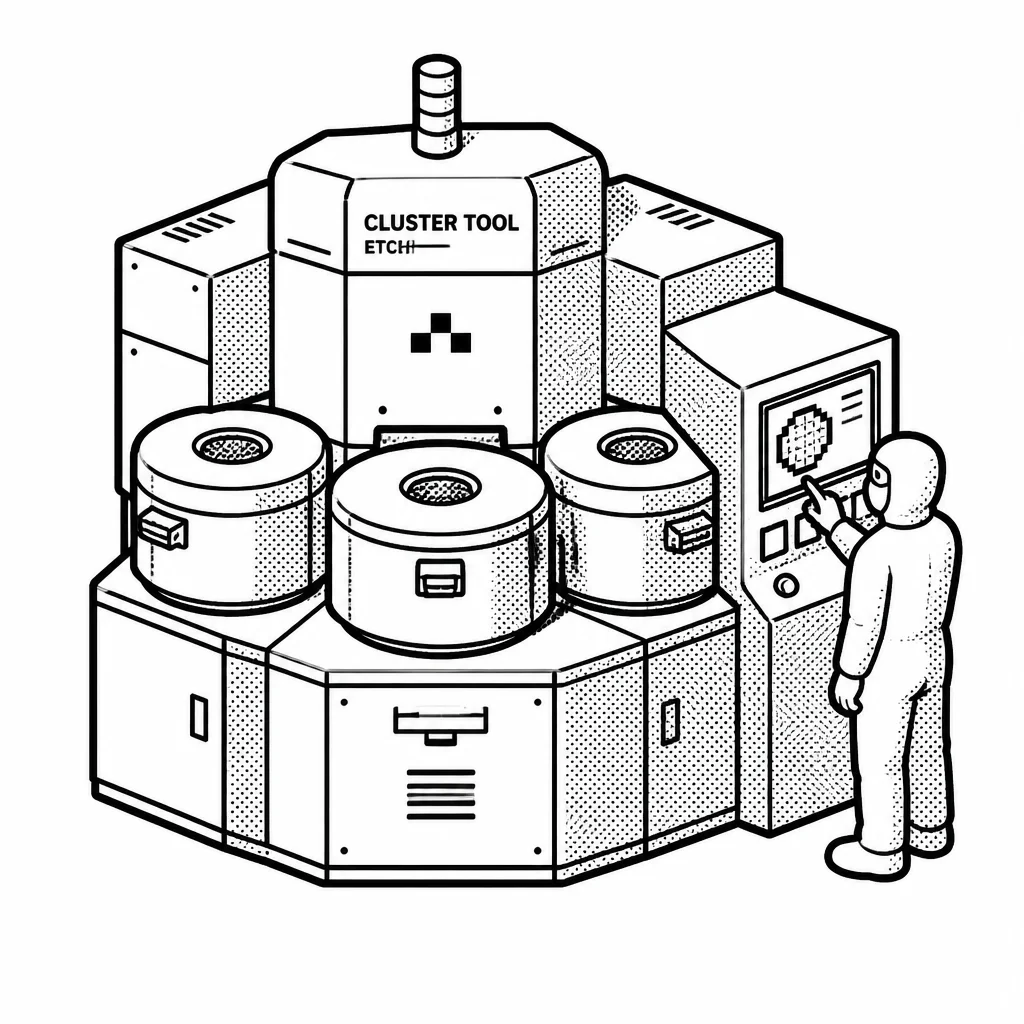
Its main business is semiconductor equipment: etching tools that carve circuits, deposition tools that add layers, cleaning machines, and furnaces that heat wafers. It also sells electronic components, like vacuum components and precision parts, which go into its own machines and into other companies' equipment. Customers are chip fabs, solar-panel makers, and electronics manufacturers, mostly in China. The reason this matters is that the semiconductor equipment market has long been dominated by foreign giants like Applied Materials, Lam Research, and ASML. NAURA is one of the few Chinese companies trying to build a full lineup of process tools, which took on extra urgency after U.S. export controls made it harder for Chinese fabs to buy foreign equipment.
That makes NAURA a strategic supplier for China's chip ambitions. It still trails the global leaders in the most advanced machines, but its revenue has grown fast as domestic fabs build out capacity and buy more locally made tools. The catch is that it depends heavily on Chinese customer spending and government policy, and catching up on cutting-edge technology takes years of costly research.
Saved answer · last researched 12 Nov 2026