Understand any stock in simple English
Canny Elevator Co., Ltd.
Canny Elevator makes and sells elevators, escalators, and moving walkways, mostly in China but also abroad.
Canny Elevator builds the machines that quietly move millions of people every day: elevators, escalators, and moving walkways, plus the parts and equipment that keep them running. Most of its customers are in China — property developers, shopping malls, hospitals, factories, and public infrastructure projects — though it also sells overseas.
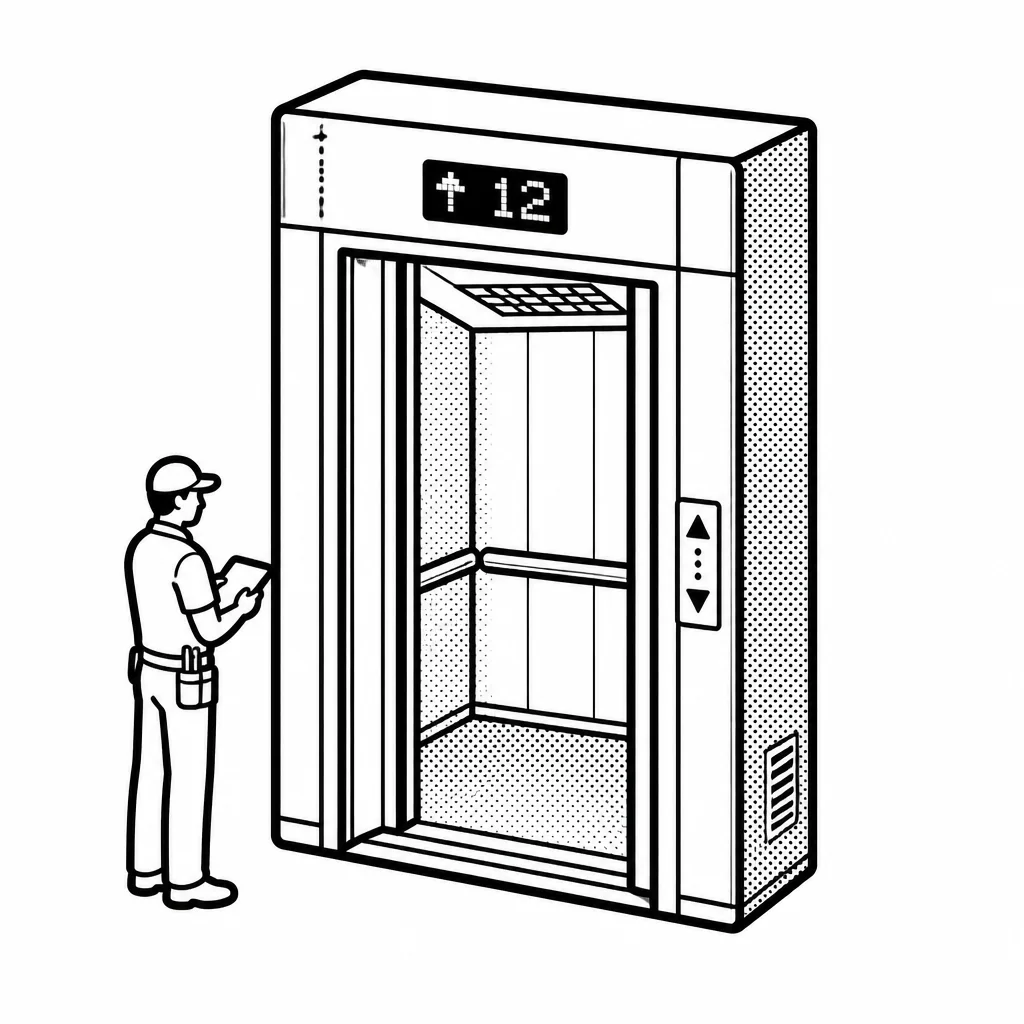
The core of the business is straightforward manufacturing and sales. A builder putting up an apartment tower or office block needs vertical transport designed into the structure from the start, so Canny competes on price, product range, and local relationships. It also earns recurring revenue from installation, maintenance, and servicing of the equipment it sells — a steadier stream that grows as the installed base of its machines gets bigger. Canny is a mid-sized player in a market dominated by global giants like Otis Worldwide and Kone, alongside large Chinese rivals such as Kangli Elevator's domestic peers. Its home market is the world's biggest for elevators, but it is also crowded and brutally price-competitive, and it is tightly chained to China's property construction cycle, which has cooled sharply in recent years. That makes Canny a cyclical business: when developers build, orders flow; when they stop, they don't.
The bet for a company like this is that steady servicing and modernization of older equipment can smooth out the wild swings of new-construction demand. Canny is based in the Suzhou area of Jiangsu province, close to the dense industrial belt around Shanghai, which helps with both suppliers and customers. It pays dividends, but the deeper question is whether maintenance growth can outrun the slowdown in new Chinese property development.
Saved answer · last researched 17 Nov 2026