Understand any stock in simple English
Suning.com Co., Ltd.
Suning sells home appliances, electronics, and everyday goods to Chinese shoppers through both its stores and its online platform.
Suning is one of China's big consumer electronics retailers. It sells refrigerators, washing machines, phones, laptops, and small appliances, and over the years it has expanded into everyday groceries and household goods too. Shoppers can buy in a physical store, on the Suning app, or through its website, and the company has pushed hard to blend the two so that a customer can browse online and pick up or get service at a nearby shop.
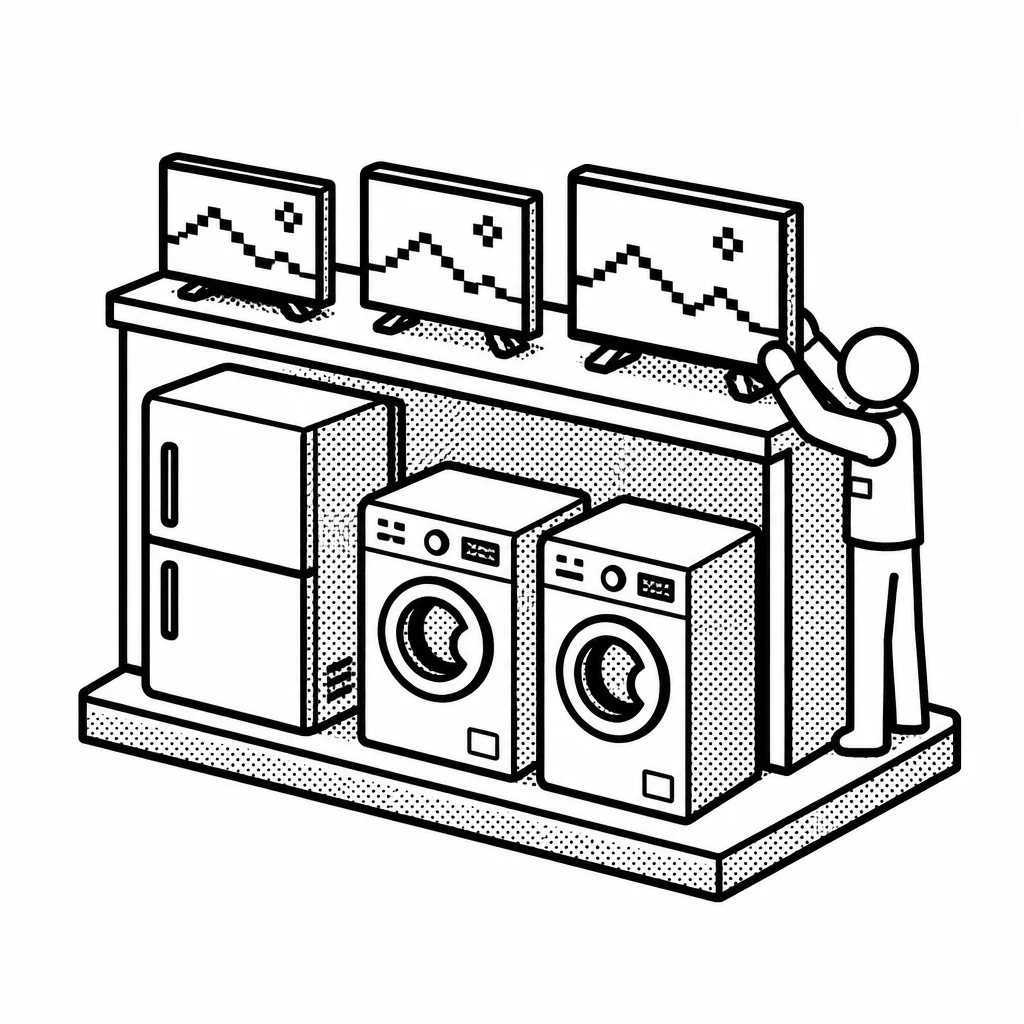
The core of the business is straightforward retail: Suning buys goods from manufacturers and resells them to consumers, earning a margin on each sale. That means it lives or dies on foot traffic, online traffic, and how efficiently it moves inventory. It faces fierce competition from e-commerce giants like JD.com and Alibaba, plus discounters and local rivals, all fighting for the same electronics buyers. Because appliances are big-ticket items, shoppers compare prices carefully, which squeezes margins. The company's history is a wild ride. It started as a single air-conditioner shop in Nanjing in 1990 and grew into a nationwide chain, then bet heavily on going digital. In 2015 it struck a deal that brought in Alibaba as a major investor, and it later acquired the Carrefour China business to bulk up its grocery footprint. But the expansion came with heavy debt, and in the early 2020s Suning ran into serious financial trouble, needing outside help and restructuring to keep going.
What makes Suning interesting — and risky — is that it tried to be everything at once: a store chain, an online marketplace, a logistics network, and a lifestyle brand. That ambition stretched its balance sheet thin. The lesson is simple: retail is a low-margin, high-volume game, and winning requires scale and discipline. Suning has the scale and the brand recognition, but turning that into steady profit has been the hard part.
Saved answer · last researched 17 Nov 2026