Understand any stock in simple English
Enter a ticker to learn what the company does and how it makes money.
Zhejiang Weixing Industrial Development Co., Ltd.
Weixing makes the buttons, zippers, and trims that hold together clothes, bags, and other textile products for brands around the world.
Weixing makes the small stuff that holds your clothes together. Buttons, zippers, and little trim pieces like drawcords and labels — the parts you barely notice until one fails. It sells these to apparel, luggage, and textile manufacturers, mostly in Asia, who sew them onto garments and bags that end up in shops worldwide. The company is based in Zhejiang, China, the country's textile heartland, which puts it close to both its customers and its supply of raw materials.
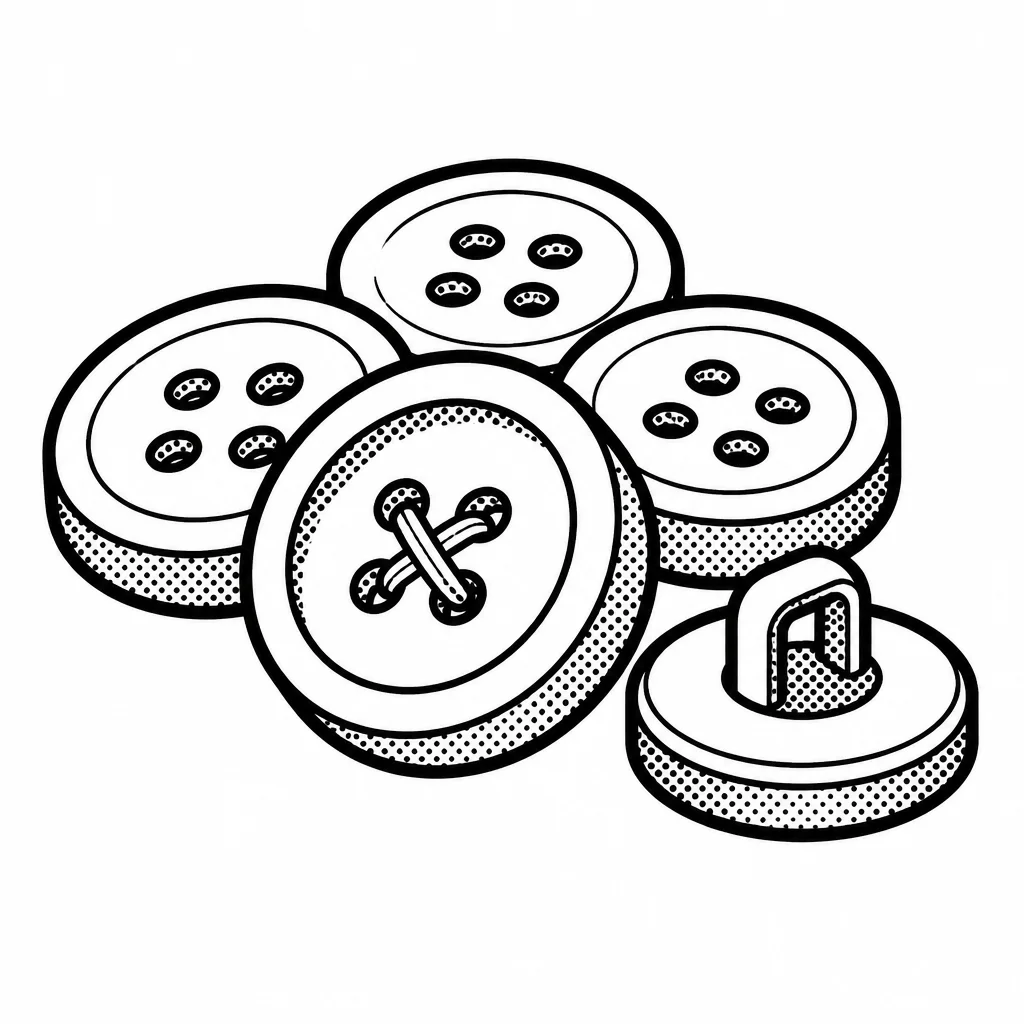
The business sounds humble, and that is the point. A button costs pennies, so apparel brands do not want to spend much time or money hunting for one. Weixing wins by being a one-stop shop: a factory can order zippers, buttons, and trims from a single supplier, which simplifies purchasing and helps keep production lines moving. Scale helps too — making billions of tiny parts spreads fixed costs thin, so the company can compete on price while still earning a decent margin. For years it has been one of the larger players in this niche, alongside rivals in Asia and beyond. What makes the business interesting is also what makes it fragile. It is deeply tied to the global apparel trade. When clothing demand is strong, Weixing's order book fills up; when retailers cut back, or when tariffs and trade tensions disrupt supply chains, the small-parts maker feels it early. Customers are large apparel and luggage makers who can switch suppliers if prices rise too much, so Weixing has to keep investing in automation and quality to stay the default choice. Recent years have pushed the company to diversify its customer base and move up the value chain, making more complex trims and zippers rather than just basic buttons.
The company is listed on the Shenzhen Stock Exchange and is majority-controlled by its founding family, which has run it for decades. It has generally been profitable, funding its factories and equipment from its own cash flow, and it pays dividends to shareholders. The simple story: Weixing does not make the jacket. It makes the zipper that makes the jacket work.
Saved answer · last researched 14 Nov 2026