Understand any stock in simple English
Enter a ticker to learn what the company does and how it makes money.
China Merchants Shekou Industrial Zone Holdings Co., Ltd.
It builds and sells homes and also runs industrial parks, shopping and office properties, and cruise services in China.
China Merchants Shekou is a big Chinese real estate developer, but calling it just a homebuilder misses half the story. It develops and sells apartments and houses, and it also owns and operates the places where people work and shop — industrial parks, office towers, and commercial properties — plus a cruise business. So it makes money two ways: selling homes it builds, and collecting rent and fees from the properties it keeps and runs.
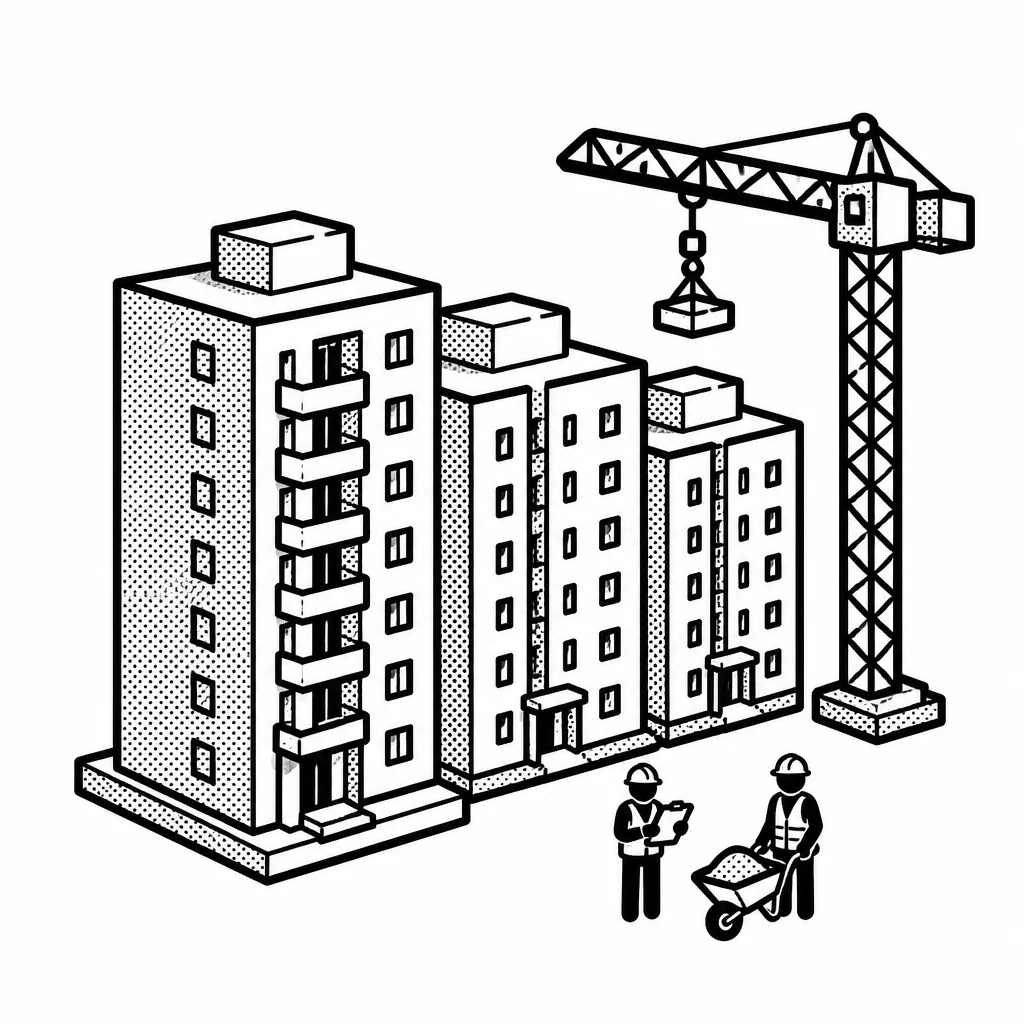
The home-selling side is the classic developer model. The company buys land, builds residential projects, and sells the units to buyers, often before construction is even finished, using the cash from those sales to fund the next project. That works beautifully when home prices rise and buyers keep coming. It turns painful when the market cools, because the company is still on the hook for land payments, construction costs, and debt. China's property slump since 2021 has squeezed developers across the country, and this one is no exception — the whole industry has been dealing with weak sales and nervous buyers. What sets China Merchants Shekou apart is its backing. It is part of the China Merchants group, a huge state-owned conglomerate with roots going back to the late 1800s, and that connection gives it access to cheaper funding and a reputation that helps with buyers and partners. The rental and park business is the steadier half: instead of selling a building once, the company keeps it, fills it with tenants, and collects rent year after year. That recurring income helps cushion the wild swings of home sales, which is exactly why developers have been pushing deeper into this kind of business.
Its roots are in Shekou, a district of Shenzhen that the China Merchants group famously helped turn from a quiet fishing area into an industrial zone starting in the late 1970s. That history explains the "Industrial Zone" in the name and why the company thinks of itself as a builder of whole districts, not just apartment blocks. Today the challenge is the same one facing every Chinese developer: survive a weak housing market, sell enough homes to keep cash flowing, and lean on steadier rental income while the storm passes.
Saved answer · last researched 16 Nov 2026