Understand any stock in simple English
Enter a ticker to learn what the company does and how it makes money.
Power Assets Holdings Limited
Power Assets owns and invests in electricity and gas utility companies that supply power to homes and businesses, mainly in Hong Kong and the UK.
Power Assets is an investment holding company that owns pieces of electricity and gas utilities. Its biggest and best-known asset is a stake in Hong Kong Electric, the company that keeps the lights on for roughly half a million homes and businesses on Hong Kong Island and Lamma Island. If you live there and flip a switch, the power likely comes from a business Power Assets partly owns. Rather than running power plants itself day to day, Power Assets sits one level up, collecting dividends from the utility companies it holds.
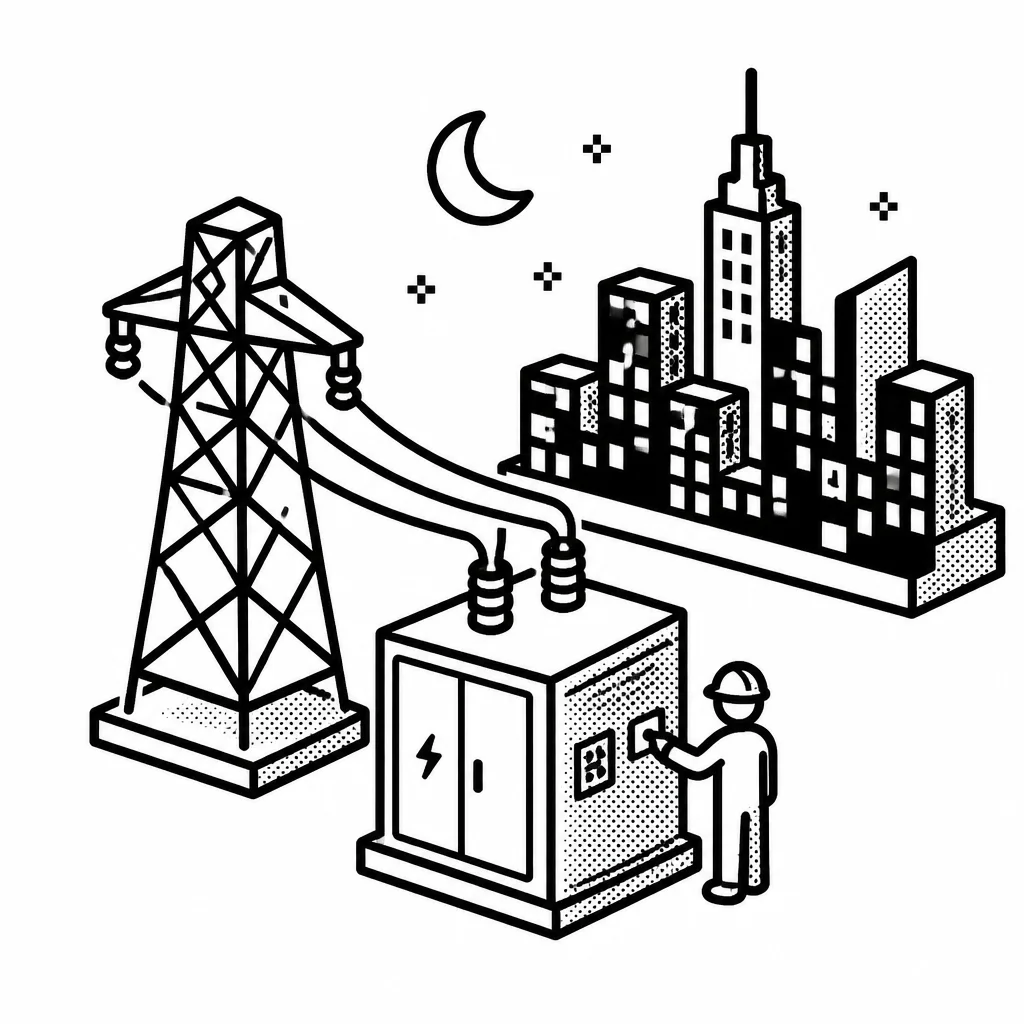
The business model is simple to grasp. A utility earns money by selling electricity and gas to customers, and it does so under regulated rules that let it earn a steady, predictable return on the assets it invests in. Because demand for power barely changes whether the economy is booming or slumping, the cash coming in is highly reliable. Power Assets then passes much of that cash to its own shareholders as dividends. That steadiness is the whole appeal: it behaves less like a growth stock and more like a bond that sends you a check a few times a year. Beyond Hong Kong, Power Assets owns stakes in utilities in the UK and Australia, including electricity distribution and gas networks. These overseas holdings spread the risk around, so a problem in one market does not sink the whole company. The trade-off is that regulated utilities grow slowly. Regulators decide how much profit a network can earn, and when they tighten the rules, the returns shrink. Currency moves and interest rates also matter a lot, because a company valued for its steady income gets hit when bond yields rise and investors can earn more elsewhere.
There is a notable quirk in its history worth knowing. Power Assets was once called Hongkong Electric Holdings, and in a major 2011 restructuring it spun its Hong Kong electricity business into a separately listed company, HK Electric Investments, while Power Assets kept a big ownership stake in it. So today Power Assets is really a holding company that owns slices of several utilities rather than a single power provider. Its reliable dividend is the main reason investors own it, and managing that payout is the quiet core of the whole business.
Saved answer · last researched 12 Nov 2026